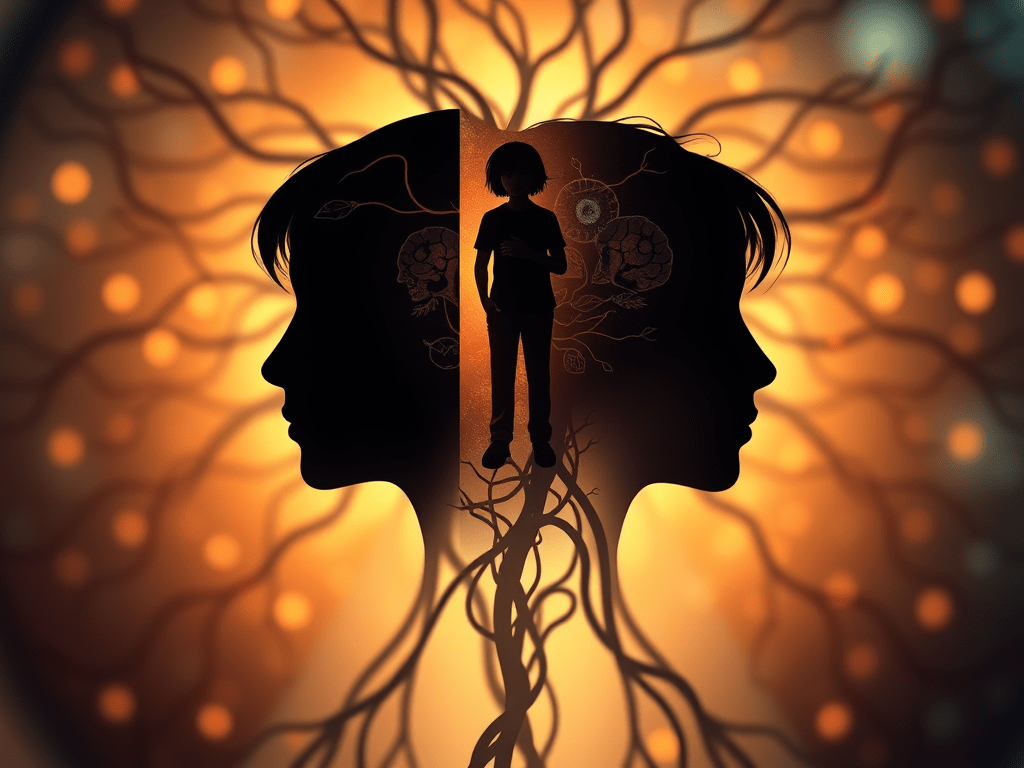
Relationships are some of our most powerful teachers. They draw out parts of ourselves that may otherwise stay hidden, casting light on old wounds, new possibilities, and aspects of ourselves we may never have fully known. Have you ever noticed how certain people make you feel safe and supported, while others ignite a fierce protectiveness, playfulness, or even a sense of vulnerability? These responses are far from random; they arise from the complex, layered parts within us that awaken in relation to those we encounter.
When we engage in relationships, we’re not merely interacting on the surface level. We’re responding from the depths of our nervous system, our attachment imprints, and the archetypal forces that shape us. Each of these “parts” within us—whether it’s the Protector, Wounded Child, or Nurturer—holds its own voice, memory, and meaning, arising as we connect with others. By becoming curious about these parts and their unique roles, we embark on a journey of self-discovery, healing, and relational wisdom that can transform not only how we see ourselves, but how we connect with others.
Understanding the Deeper Layers of Our Inner Parts and Relational Dynamics
When we bring out parts of ourselves and others in relationships, we’re not only engaging on a psychological level but also tapping into profound, interconnected layers within our nervous systems, attachment styles, and even archetypal patterns. Each part of us—whether the Protector, Wounded Child, or Nurturer—carries its own story, voice, and sensory imprint. By learning to recognize these parts and the role they play in relationships, we open ourselves to a profound journey of self-discovery, healing, and relational wisdom.
The Neuroscience of Connection: Polyvagal Theory in Relational Dynamics
Polyvagal Theory, developed by Dr. Stephen Porges, offers insight into why certain people activate specific parts within us. The theory explains that our nervous system operates through three main states: social engagement, fight-or-flight, and shutdown, each shaped by the autonomic nervous system. These states influence the parts of ourselves that emerge in relationships:
- Social Engagement and Relational Openness: When we feel safe and connected, our social engagement system is activated, enabling us to express vulnerable, authentic parts. This is when our Inner Child, Caregiver, or Sage may surface, fostering empathy, curiosity, and compassion.
- Fight-or-Flight and Defensive Parts: If we perceive a threat (whether real or perceived), our body’s fight-or-flight response may activate. This often brings out protective parts, like the Defender or Critic, which seek to shield us from emotional harm. Understanding this mechanism can help us distinguish when a reaction is based on a current experience or is being influenced by past trauma.
- Shutdown and Withdrawal: When the threat feels overwhelming, we may shift into a state of withdrawal or emotional numbness. This is often a protective strategy of the Nervous System to keep us safe, yet it can bring out parts of us that avoid conflict, connection, or vulnerability. Recognizing when we are in this state can help us approach ourselves with greater gentleness and compassion.
By learning to sense our nervous system’s responses, we can notice which parts are surfacing and why, helping us work with them rather than react automatically.
Attachment Theory: The Origins of Our Parts in Relationships
Attachment Theory provides another lens for understanding why we respond differently with different people. Developed by John Bowlby and Mary Ainsworth, attachment theory shows us how early relational experiences shape our attachment style—secure, anxious, avoidant, or disorganized. These styles often influence which parts become prominent in our interactions:
- Secure Attachment and Wholeness: With a secure attachment style, we’re able to access a broader range of inner parts because we trust that our needs will be met. This can help us feel grounded in relationships, fostering a sense of wholeness.
- Anxious Attachment and Hypervigilant Parts: If we have an anxious attachment style, we may bring out hypervigilant parts, constantly seeking reassurance. This attachment pattern may trigger others’ Protector or Avoidant parts, leading to a dynamic of push and pull.
- Avoidant Attachment and Distant Parts: For those with avoidant attachment, parts that withdraw or distance might arise, as a defense against perceived vulnerability. This can activate the longing or dependency in others, who may feel a need to “chase” connection.
- Disorganized Attachment and Mixed Parts: With a disorganized attachment style, our parts may oscillate between seeking closeness and pushing people away, reflecting early chaotic or inconsistent caregiving. Awareness of this style can help us cultivate self-compassion and explore ways to create inner safety.
Understanding our attachment style provides insight into why certain parts are triggered in relationships, helping us develop new responses that allow for healthier connections.
Archetypal Energies: The Deeper Symbolic Patterns in Our Interactions
Carl Jung’s concept of archetypes introduces us to universal patterns that shape human experience, such as the Lover, Warrior, Sage, and Child. These archetypes can reveal deeper layers of ourselves that emerge in relationships. For instance:
- The Lover Archetype: This archetype yearns for connection and intimacy, often bringing out vulnerability, affection, and creativity. Engaging with people who activate this archetype in us can reveal parts of ourselves that long for meaningful connection and self-expression.
- The Warrior Archetype: Often surfacing in situations that require boundaries, strength, or protection, the Warrior may bring out defensive or assertive parts in us or others. By working with the Warrior archetype consciously, we can learn how to balance courage with compassion.
- The Sage Archetype: This archetype seeks wisdom and self-understanding. When others bring out the Sage in us, we feel called to reflect, listen, and offer guidance. Understanding the Sage can help us connect with our intuitive side, supporting relationships where insight and growth are valued.
Working with these archetypal energies can offer a more profound, symbolic understanding of our relational dynamics, helping us to see our interactions not only as exchanges but also as journeys toward self-discovery.
Practical Exercises for Integrating These Insights
To apply these insights, here are some practices that can deepen your self-understanding and enhance relational awareness:
- Parts Work Meditation: Begin by observing a recent interaction that triggered a strong emotional response. In a quiet space, focus on the emotions that arose and ask yourself which part of you was activated. Visualize this part, listen to its message, and respond with compassion. Consider journaling about the experience, allowing you to explore what this part is seeking.
- Attachment Mapping Exercise: Reflect on your relationships and consider how your attachment style shows up. Write down the parts that emerge in different types of relationships (e.g., romantic, friendship, family). Explore any patterns or triggers that consistently arise. This exercise can reveal deeper insights into your attachment style and the parts connected to it.
- Archetypal Exploration in Relationships: Choose an archetype that resonates with you (e.g., Lover, Warrior, Sage). Reflect on a person who often brings out this archetype within you. Journal about how this archetype’s qualities shape your interactions with this person and others. How can you honor this archetype in ways that foster balance and growth?
Opportunities for Further Learning
For those interested in diving deeper, here are some resources across various disciplines to support ongoing exploration:
- Books and Readings:
- “Anchored: How to Befriend Your Nervous System Using Polyvagal Theory” by Deb Dana: This book offers a compassionate approach to understanding and applying Polyvagal Theory in daily life.It’s a valuable resource for anyone looking to explore how their body’s responses influence connection and self-awareness.
- “Attached” by Amir Levine and Rachel Heller: This accessible book on attachment theory explains how different attachment styles impact relationships and offers strategies for cultivating healthier connections.
- “The Hero Within: Six Archetypes We Live By” by Carol S. Pearson: Pearson’s book examines six key archetypes—Innocent, Orphan, Wanderer, Warrior, Martyr, and Magician—and how they appear in our lives as stages or roles in personal growth. This practical framework for understanding archetypes offers readers tools for exploring their own inner landscape and identifying recurring patterns.
- Workshops and Courses:
- NARM (NeuroAffective Relational Model): NARM offers training that integrates attachment theory and somatic work to support trauma healing, focusing on how relational wounds shape our inner parts.
- IFS (Internal Family Systems) Workshops: IFS offers workshops where you can learn to engage with inner parts in a structured, supportive environment.
- Mindful Self-Compassion Programs: Programs like those by Dr. Kristin Neff and Dr. Chris Germer provide practices to foster compassion toward inner parts that surface in relationships.
- Somatic Practices:
- TRE (Tension and Trauma Releasing Exercises): This practice helps release deep-seated tension and stress, which can influence how our parts show up in relationships.
- Yoga and Breathwork for Nervous System Regulation: Practices like qigong, tai chi, and trauma-sensitive yoga can help us regulate the nervous system, making it easier to access grounded, compassionate parts in our interactions.
- Community Engagement and Peer Learning:
- Support Groups or Community Circles: Participating in a trauma-informed support group or peer circle can offer a safe environment to observe and work with parts that emerge in relationships.
- Reflective Partner Exercises: Partner exercises (such as shared journaling or nonverbal mirroring) can help you become more attuned to the parts that arise with different individuals and how to respond from a place of awareness.
Embracing Our Full Self Through Relationship
Relationships hold immense potential for self-understanding and healing. By exploring our inner parts, understanding attachment patterns, and engaging with archetypal energies, we can move from reactive patterns to conscious, compassionate interactions. Each relationship becomes a portal into deeper self-awareness, allowing us to honor our inner complexity and connect more authentically with others. Embracing this journey with curiosity and self-compassion empowers us to live from a place of wholeness, where our parts harmonize within us, creating relationships that reflect our true self.
Thank you for taking the time to read and reflect. If you found this post helpful, I invite you to join our community! Subscribe to our mailing list below for regular insights, practical guidance, and support on your healing journey. You can also subscribe to our YouTube channel for in-depth videos, guided practices, and more.
I’d love to hear your thoughts, experiences, and any questions you may have. Please feel free to share them in the comments below—your perspective could inspire others as we continue to grow together.

Subscribe
Unlock deeper insights, inspiring stories, and transformative practices by joining our Inner Alchemy Alcove community.
Disclosure: Some of the links on this site are affiliate links, meaning I may earn a commission at no extra cost to you. I only recommend products and services I trust. Thank you for supporting my work!
 Inner Alchemy Alcove
Leave a comment