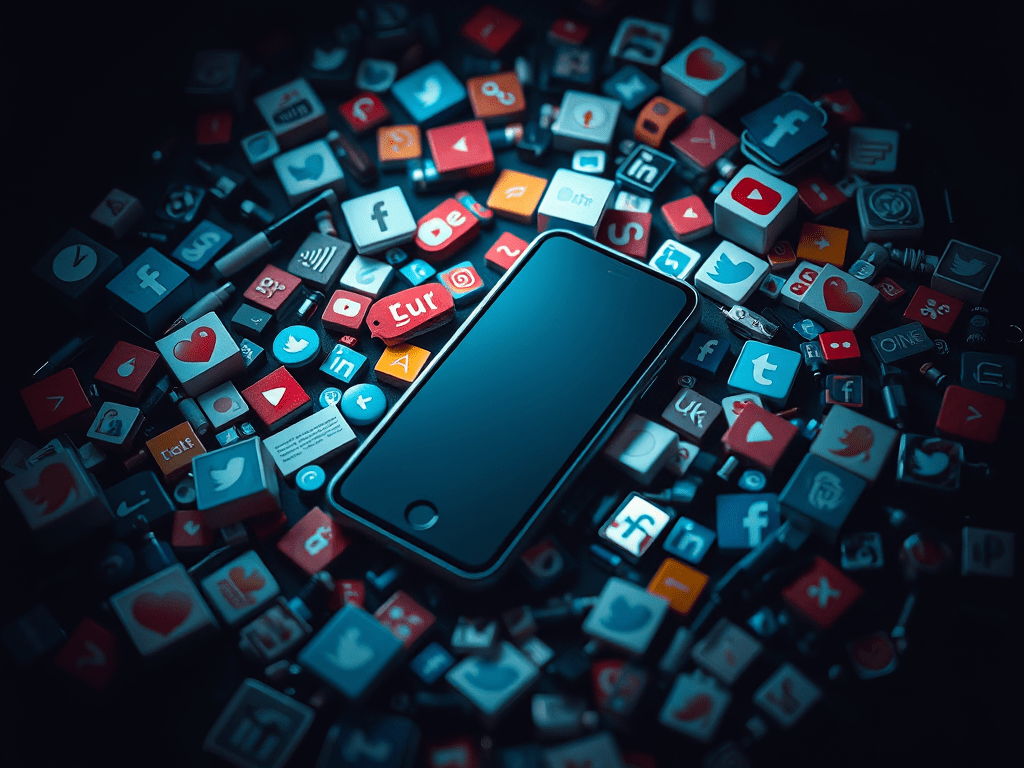
Let’s face it—these days, it feels like the world is in a constant state of upheaval. Every time you glance at your phone, there’s a new headline designed to jolt your nervous system: breaking news, sensational stories, dramatic predictions. The media knows exactly how to stir reactions, often overhyping events and fueling fear long before the facts have settled. It’s no wonder so many of us feel like we’re teetering on the edge of anxiety without even knowing why.
The challenge is twofold: staying informed without becoming overwhelmed, and engaging with the world without losing ourselves in the chaos. In an age where fear is currency and attention is profit, self-care is not just a luxury—it’s a radical act of preservation.
The Media’s Role in Amplifying Stress
The 24/7 news cycle thrives on urgency. Headlines are crafted to grab your attention, often by triggering your deepest fears. It’s not always about providing clarity—it’s about clicks, engagement, and keeping you hooked. This relentless stream of alarming information can create a feedback loop of stress, leaving you feeling overwhelmed, panicked, and unsure of what to believe.
We live in an era where information is abundant but context is scarce. Media outlets, driven by algorithms designed to maximize attention, often prioritize sensationalism over substance. The constant barrage of “breaking news” creates a sense of perpetual crisis, making it difficult to discern what truly requires our attention. This environment fosters a culture of reaction rather than reflection.
Over time, the cumulative impact of this fear-driven media landscape seeps into our nervous systems. Even when we’re not consciously thinking about the latest crisis, our subconscious holds onto the weight of uncertainty, priming us for chronic stress responses that affect our mood, health, and decision-making.
Recognizing the Signs of Media Overload
Media overload doesn’t always show up as outright panic. Sometimes, it manifests in more subtle ways that erode our sense of inner peace over time. Signs you might be experiencing media-induced anxiety include:
- A compulsive urge to check news updates multiple times a day, even when you know it’s not helping
- Feeling restless, irritable, or emotionally drained after consuming news
- Difficulty focusing on daily tasks due to intrusive thoughts about current events
- Emotional exhaustion or a sense of hopelessness, even when you are not directly affected by the news
- Trouble sleeping, racing thoughts, or an underlying sense of dread about the future
If any of these resonate with you, it may be time to re-evaluate your relationship with media consumption.
How to Break the Cycle of Media-Induced Anxiety
Breaking free from the cycle of stress doesn’t mean turning a blind eye to reality—it means engaging with the world in a way that protects your mental and emotional well-being. Here are some strategies to help you stay informed without losing yourself:
1. Curate Your News Sources
Not all news is created equal. Stick to reputable sources known for balanced reporting, and be mindful of outlets that rely heavily on fear-based tactics to drive traffic. Opt for journalism that prioritizes depth over drama, analysis over alarm.
2. Set Boundaries on News Consumption
You don’t have to be plugged in 24/7 to be informed. Consider setting designated times for checking the news, such as once in the morning and once in the evening. Avoid reading or watching the news right before bed, as this can disrupt your sleep cycle and increase nighttime anxiety.
If you notice yourself feeling overwhelmed, consider taking a temporary “media detox.” This doesn’t mean disengaging from the world—it means prioritizing your mental health so that you can engage with clarity rather than fear.
3. Pause Before Reacting
When faced with a distressing headline, take a breath before spiraling into worry. Ask yourself:
- Is this the full story, or just a dramatic headline designed to provoke emotion?
- Do I need more context before forming an opinion?
- How is my body responding right now?
Giving yourself space before reacting can help prevent knee-jerk anxiety and allow you to approach information with a more grounded perspective.
4. Seek Diverse Perspectives
Consuming information from a variety of sources helps prevent tunnel vision and fear-based thinking. If possible, look at how different outlets report on the same event. Global perspectives can also provide valuable context, showing how the same situation is viewed through different cultural and political lenses.
5. Ground Yourself After Consuming Heavy News
After taking in difficult news, make a conscious effort to engage in grounding activities. Try:
- Stepping outside for fresh air
- Practicing deep breathing exercises
- Moving your body through stretching or light exercise
- Talking to a friend or loved one about something positive
- Engaging in a creative activity like journaling, painting, or playing music
Your nervous system needs space to process what it has absorbed—give it that gift.
6. Fact-Check Before Sharing
Misinformation spreads rapidly, especially during times of crisis. Before forwarding or reacting to a shocking news story, take a moment to verify its accuracy through trusted fact-checking organizations. If details are still unfolding, recognize that there may not yet be enough information to form a clear picture. Sometimes, the most responsible choice is to wait rather than contribute to speculation. In doing so, you not only protect yourself from unnecessary stress but also prevent the spread of panic and misinformation among those around you.
The Hidden Cost of Stress on Your Body
All this media-induced stress isn’t just “in your head.” It has tangible effects on your body, particularly your immune and nervous systems.
The Stress-Immune System Connection
When your body perceives a threat—whether real or perceived—it activates the “fight or flight” response, flooding your system with stress hormones like cortisol and adrenaline. While this response is useful in short bursts, chronic stress can have damaging long-term effects:
- Weakened Immune Function: Prolonged stress suppresses immune defenses, making you more susceptible to illness.
- Increased Inflammation: Chronic stress contributes to systemic inflammation, increasing the risk of heart disease, autoimmune disorders, and mental health challenges.
- Disrupted Sleep & Digestion: High cortisol levels can throw off sleep cycles and interfere with digestion, leading to fatigue, bloating, and mood swings.
- Heightened Anxiety & Depression: A constantly activated stress response can leave you in a perpetual state of hypervigilance, making relaxation feel impossible.
The good news? You have the power to regulate your nervous system through conscious self-care practices.
Simple Self-Care Practices to Reclaim Your Peace
When the world feels chaotic, self-care becomes an act of resilience. Here are ways to restore balance:
- Mindfulness & Breathwork: Practicing mindfulness or even a few deep breaths can bring immediate relief. Try the 4-7-8 breathing technique or grounding exercises like the 5-4-3-2-1 method.
- Movement as Medicine: Physical movement—whether it’s yoga, stretching, or a simple walk—helps discharge stress and regulate emotions.
- Intentional Rest: Prioritize quality sleep by setting a consistent bedtime and reducing screen exposure before bed.
- Creative Expression: Art, music, poetry, or journaling can help process emotions in ways words often fail to capture.
- Spending Time in Nature: Even a short walk outside can recalibrate your nervous system, reduce stress hormones, and improve mood.
- Engaging in Hobbies & Learning New Skills: Channeling your energy into a hobby or learning something new can be a powerful antidote to stress. Whether it’s picking up an instrument, learning a language, gardening, cooking, or trying a new craft, engaging in a focused activity provides a sense of purpose, creativity, and mental relief from the chaos of the world.
- Nourishment & Body Awareness: Stress can make it easy to disconnect from the body’s needs. Take time to check in with yourself—are you hydrated? Have you eaten something nourishing? Focus on whole, nutrient-dense foods that support both physical and mental well-being, such as omega-3-rich foods, leafy greens, and antioxidant-packed fruits. Beyond nutrition, listen to what your body is asking for—gentle movement, stretching, a warm bath, or simply resting without guilt. Cultivating this awareness fosters a sense of safety and connection within yourself, even when the outside world feels unstable.
A Light in the Dark
In times of uncertainty, it’s easy to feel lost in the noise. But you don’t have to be at the mercy of every headline. By setting boundaries, caring for your mind and body, and seeking clarity beyond the chaos, you can find your footing—even when the world feels shaky.
Self-care isn’t selfish—it’s survival. And in nurturing yourself, you create ripples of calm in a world that desperately needs it.
Take a breath. You are not alone in this.
Additional Resources
Here’s a list of helpful, supportive items from Amazon that you can use on your journey:
Books
- Trust Me, I’m Lying: Confessions of a Media Manipulator by Ryan Holiday is a deep dive into how modern media operates, exposing the tactics used to manipulate public perception and stir emotions.
- Hate, Inc.: Why Today’s Media Makes Us Despise One Another by Matt Taibbi provides an eye-opening critique of how the media fuels division and fear for profit.
- Factfulness: Ten Reasons We’re Wrong About the World – and Why Things Are Better Than You Think by Hans Rosling is a powerful book that challenges our perception of the world, helping to ease anxiety about global events.
- Burnout: The Secret to Unlocking the Stress Cycle by Emily Nagoski and Amelia Nagoski explores how chronic stress impacts the body and provides science-based strategies to break the cycle.
- The Comfort Book by Matt Haig is a beautifully written collection of reflections and insights for finding hope and peace in difficult times.
- Radical Acceptance: Embracing Your Life With the Heart of a Buddha by Tara Brach is a powerful book on self-compassion and learning to find peace within, even when external circumstances feel overwhelming.
- The Upside of Stress: Why Stress Is Good for You, and How to Get Good at It by Kelly McGonigal reframes stress as something that can be harnessed for growth rather than avoided.
- Rest Is Resistance: A Manifesto by Tricia Hersey challenges the hustle culture and emphasizes the importance of slowing down and resting as a form of healing.
- Atomic Habits: An Easy & Proven Way to Build Good Habits & Break Bad Ones by James Clear helps create small, sustainable changes that can improve well-being and resilience over time.
- The Artist’s Way by Julia Cameron encourages creativity and self-expression as a means of emotional processing and self-discovery.
Audible Membership – Access many of the recommended books in audiobook form for on-the-go learning.
Tools for Emotional Awareness
- The Feelings Wheel Magnet: A handy tool to stick on your fridge or workspace for quick emotional reference throughout the day.
- Journaling Supplies: supplies for recording, self-expression and processing.
- Sound Machine: Aid in relaxation and creating a safe atmosphere.
- Weighted Blanket: Experience the calming effects of deep pressure therapy to soothe your nervous system during emotional overwhelm.
- Yoga or Meditation Accessories: Items like a yoga mat, bolster, or meditation cushion to support mindfulness and somatic practices.
- Blue-Light Blocking Glasses – Reduces digital eye strain and improves sleep quality.
- Time Cube Timer – Helps limit screen time with customizable intervals.
- Phone Lockbox – Temporarily locks your phone to prevent overuse.
Interactive Emotional Awareness Resources
- Therapy Game: Conversation Starters
This card deck is designed to spark deeper conversations with yourself or others about emotions and relationships. - Rewired Adult Coloring Book: An Adult Coloring Book for Emotional Awareness, Healthy Living & Recovery
A therapeutic tool to process emotions through creative expression with mandalas and calming designs. - Breathing Lamp Guided Visual Meditation Tool : This device guides users through breathing exercises with visual cues, aiding in mindfulness and anxiety relief.
Wearables for Emotional Regulation
- Apollo Neuro Stress Relief Wearable
A cutting-edge device that uses gentle vibrations to promote calmness and focus by regulating your nervous system. - The Calm Ball – Coping Skills Tool, Anxiety Toys for Adults and Kids
Designed by a licensed therapist, this cognitive behavioral therapy tool is meant to teach and encourage practice of healthy coping techniques in a fun and exciting way. - Breathing Necklace
A subtle and elegant tool to help you regulate your breath during stressful moments, encouraging calm and presence.
Thank you for taking the time to read and reflect. If you found this post helpful, I invite you to join our community! Subscribe to our mailing list below for regular insights, practical guidance, and support on your healing journey. You can also subscribe to our YouTube channel for in-depth videos, guided practices, and more.
I’d love to hear your thoughts, experiences, and any questions you may have. Please feel free to share them in the comments below—your perspective could inspire others as we continue to grow together.
Subscribe
Unlock deeper insights, inspiring stories, and transformative practices by joining our Inner Alchemy Alcove community.
Disclosure: Some of the links on this site may be affiliate links, meaning I may earn a commission at no extra cost to you. I only recommend products and services I trust. Thank you for supporting my work!
 Inner Alchemy Alcove
Leave a comment