Category: All
-

Rethinking “No”: How Offering Choices Instead of Rejection Empowers Kids
The word “no” profoundly affects children, often triggering emotional responses linked to rejection. Parents and educators should reconsider its frequency, promoting redirection and choice to foster resilience, emotional intelligence, and autonomy. This approach teaches the importance of boundaries as opportunities…
-

Navigating the Age of Misinformation: A Time of Uncertainty and Justifiable Confusion
In an age of information overload, access to knowledge is both empowering and confusing. The internet democratizes data, but also amplifies biases and misinformation. Trust in traditional sources is eroding while echo chambers deepen ideological divides. To navigate effectively, critical…
-

The Complexity of Needing Connection and Social Media Burnout
Social media serves as a double-edged sword, offering connections while contributing to burnout. While we crave genuine interactions, digital platforms often provide superficial engagement, leading to stress, anxiety, and emotional fatigue. To reclaim balance, it’s crucial to set boundaries, cultivate…
-

Peace Over Pressure: Prioritizing Mental Health During the Holidays
The holiday season, often seen as joyful, can be challenging for trauma survivors who experience complex emotions like stress and anxiety beneath the festive surface. Setting boundaries, honoring personal needs, and reframing obligations are essential steps to prioritize well-being. Embracing…
-

The Power of Holding Space: How to Support Without Overstepping
Holding space is a supportive practice where one prioritizes presence over problem-solving, allowing others to express emotions without judgment. This approach fosters connection, autonomy, and trust, emphasizing the importance of simply being there for someone. It invites individuals to explore…
-

Why Naming Your Emotions Is the First Step to Freedom
Emotions serve as vital connectors between our inner and outer experiences, guiding self-awareness and interaction. Naming emotions transforms them from overwhelming forces into manageable allies, crucial for emotional health and relationships. This practice not only fosters clarity but enhances emotional…
-
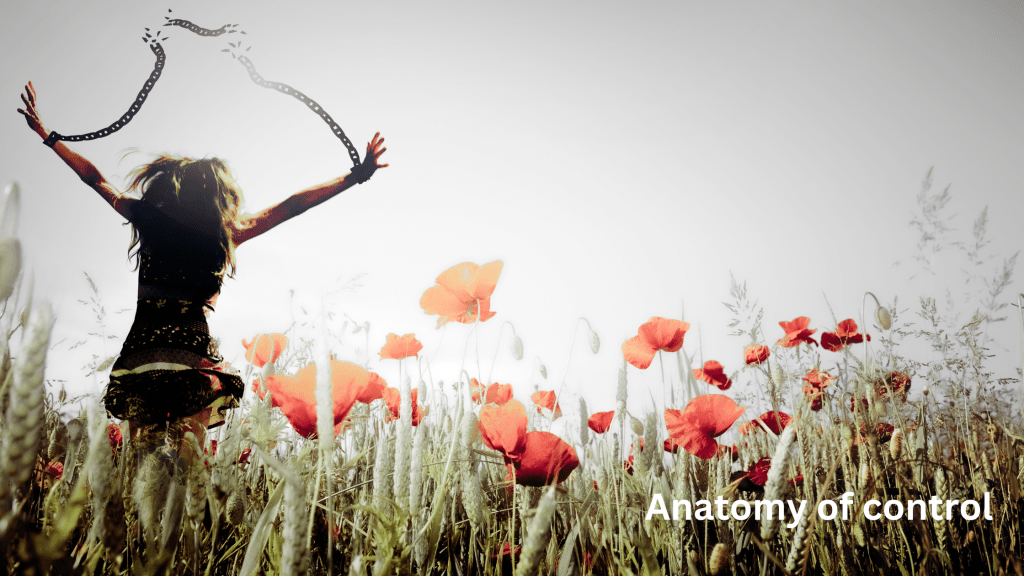
The Anatomy of Control: Understanding Its Roots and Letting Go for Personal Growth
The article explores the complex nature of control, depicting it as a response to chaos and fear. Initially protective, control can restrict emotional expression and personal growth, manifesting through perfectionism and rigidity. Understanding its roots helps individuals navigate vulnerability and…
-
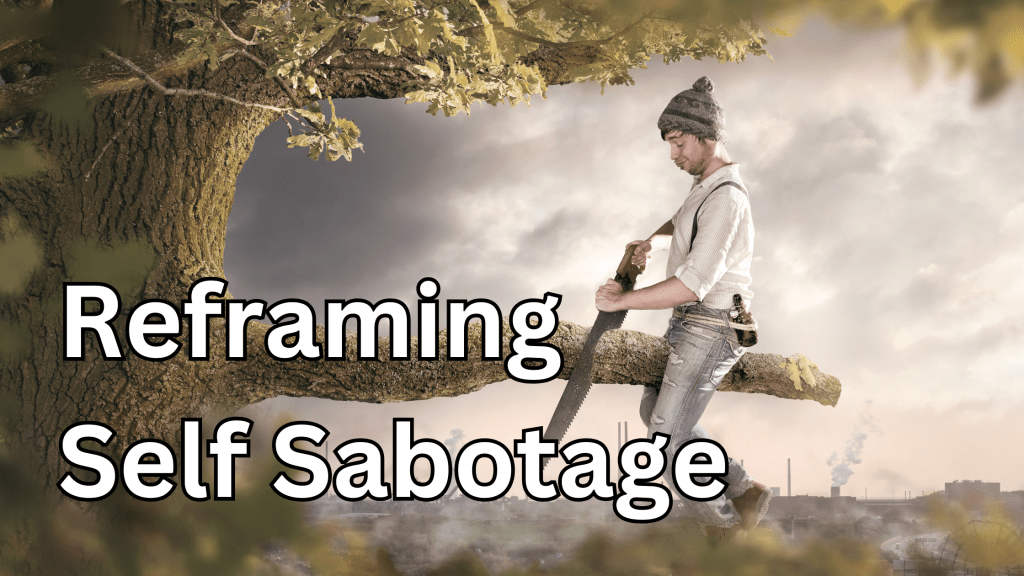
Self-Sabotage Isn’t Real: How to Reframe Your Patterns for Lasting Change
The concept of self-sabotage often misrepresents behaviors as intentional failures rather than protective responses to unmet needs and trauma. Reframing this perspective encourages self-compassion and curiosity, emphasizing that these behaviors communicate deeper issues. Understanding this can foster healing, growth, and…
-

How Childhood Experiences Shape Our Trust in Words and Body Language in Adult Relationships
The article discusses how early relationships shape our understanding of trust through words and body language. Children exposed to mixed signals often prioritize non-verbal cues over verbal communication, leading to challenges in adult relationships, including mistrust and difficulty expressing needs.…
-

Understanding Your Inner Parts: Why Relationships Bring Out the Best (and Worst) in Us
Relationships serve as powerful catalysts for self-discovery, revealing hidden aspects of our identities. Through concepts like Polyvagal Theory and Attachment Theory, we understand how our nervous systems and early experiences shape our relational dynamics. Engaging with our inner parts fosters…
 Inner Alchemy Alcove