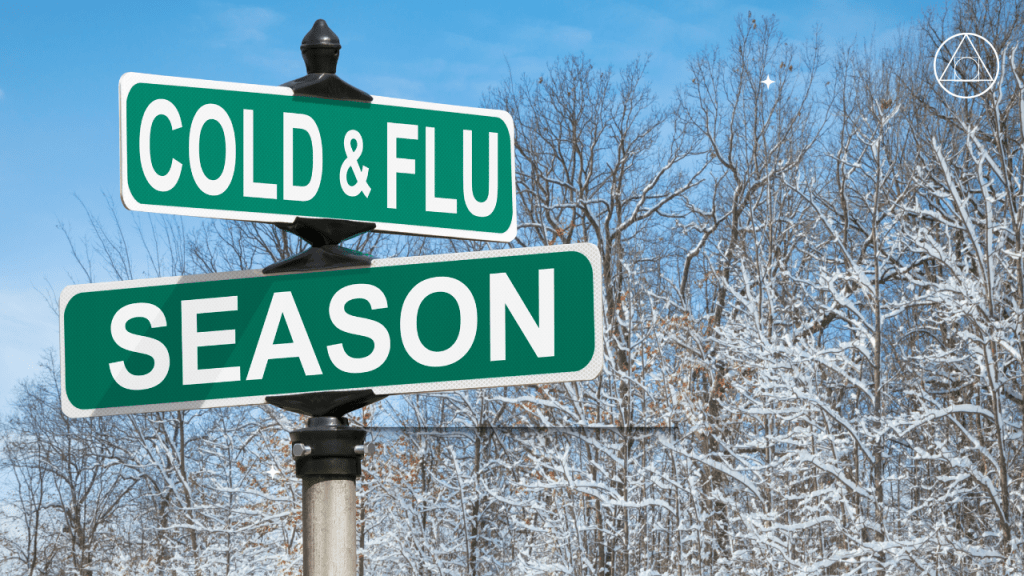
As the colder months roll in, we’re often told to brace ourselves for “cold and flu season.” But what if this time of year isn’t solely about battling viruses? Instead, it could be a reflection of deeper imbalances in our lives, including low vitamin D levels, higher sugar intake, environmental shifts, and increased stress. These factors—often overlooked—have a profound impact not only on our physical health but also on our mental and emotional well-being.
Our environment, nutrition, and physiological states are deeply interconnected. When one of these are thrown off balance, it weakens our immunity, disrupts our nervous system, and makes us more susceptible to both physical illness and emotional struggles. By examining the root causes of why we get sick during this time, we can empower ourselves to take proactive steps toward resilience and balance. Let’s explore how addressing these interconnected factors can transform “cold and flu season” into an opportunity for holistic health and healing.
Low Vitamin D: A Silent Player in Immunity and Mood
As the days grow shorter and sunlight becomes scarce, vitamin D levels naturally decline. This crucial nutrient is not only a cornerstone of immune function—helping the body produce antimicrobial peptides to fight infections—but also a key player in emotional well-being. Low vitamin D levels are linked to higher rates of depression, anxiety, and Seasonal Affective Disorder (SAD), particularly in the colder months when sunlight exposure is limited.
This dual impact on mental and physical health creates a feedback loop: when mental health declines, it weakens the immune system, making the body more vulnerable to illness. Addressing vitamin D deficiency, therefore, becomes vital for fostering both physical resilience and emotional stability. Let’s explore some creative and actionable strategies to maintain healthy vitamin D levels during darker months:
1. Maximize Natural Sunlight
- Morning Light Rituals: Begin your day by stepping outside within the first hour of sunrise. Morning sunlight contains lower levels of UV rays, making it safer for prolonged exposure while still triggering vitamin D production.
- Sunlit Breaks: Incorporate outdoor walks into your daily routine, even on cloudy days. Studies show that diffuse sunlight can still provide some vitamin D benefits.
- Home Adjustments: Place desks or seating areas near windows to maximize your exposure to natural light indoors. Open blinds and curtains during the day to let sunlight flood your living space.
2. Consider Light Therapy
- Light Therapy Lamps: Invest in a high-quality light therapy lamp that mimics natural sunlight. These devices can help combat symptoms of SAD and may indirectly support vitamin D metabolism by regulating your circadian rhythm.
3. Enrich Your Diet with Vitamin D Foods
Incorporating vitamin D-rich foods into your meals can bridge the gap when sunlight is limited:
- Wild-Caught Fatty Fish: Salmon, mackerel, and sardines are some of the best sources of natural vitamin D.
- Fortified Options: Look for fortified milk, plant-based milk alternatives, orange juice, and breakfast cereals.
- Creative Cooking: Add mushrooms (which can produce vitamin D when exposed to sunlight) to soups, stir-fries, or pasta dishes. Pair them with healthy fats like olive oil or avocado to enhance absorption.
- Snacking Smarter: Boil eggs and enjoy the yolks as a snack or in salads—egg yolks are a natural source of vitamin D.
4. Boost Absorption with Synergistic Nutrients
To make the most of the vitamin D you consume or produce, ensure your body has adequate levels of the following:
- Magnesium: Found in leafy greens, nuts, seeds, and dark chocolate, magnesium is essential for converting vitamin D into its active form.
- Vitamin K2: Present in fermented foods like natto, kimchi, and hard cheeses, K2 helps direct calcium to bones and away from arteries, enhancing vitamin D’s effectiveness.
- Healthy Fats: Since vitamin D is fat-soluble, eating it with fats improves absorption. Combine vitamin D-rich foods with avocados, nuts, seeds, or olive oil.
5. Supplements and Safe Dosing
When natural and dietary sources fall short, supplements are a reliable option:
- High-Quality Vitamin D3: Opt for D3 supplements, which are more effective than D2. Consult a healthcare provider for personalized dosing based on blood test results.
- Blended Supplements: Some formulations combine vitamin D with K2 or magnesium, making it easier to address multiple deficiencies.
6. Engage in Vitamin D-Enhancing Practices
- Grounding in Nature: Stand barefoot in sunlight to combine grounding (earthing) with vitamin D production. Grounding has additional benefits for reducing inflammation and cortisol levels.
- Movement Outdoors: Engage in gentle physical activities like walking, yoga, or tai chi in sunlight. Movement promotes circulation, helping distribute vitamin D more effectively throughout your body.
- Creative Projects in Nature: Spend time doing nature-inspired art or indoor gardening under full spectrum bulbs.
Vitamin D, Mental Health, and the Bigger Picture
While boosting vitamin D levels is essential, it’s equally important to address other factors influencing mental and physical health. Poor sleep, chronic stress, and a lack of movement can also exacerbate the impacts of low vitamin D. By adopting a holistic approach—combining proper nutrition, sunlight, supplements, and supportive practices—you can break the cycle of deficiency and create a foundation of health that carries you through the colder months.
The High Sugar Trap: How It Weakens Your Body and Mind
Winter marks the beginning of a season steeped in social traditions that often revolve around indulgent treats. From Halloween through New Year’s Day, social traditions can make it challenging to break free from the high-sugar cycle. It’s not just about what we eat but how we bond. Celebratory gatherings often center around food, with sugary treats taking center stage. The aroma of freshly baked cookies evokes warm memories, and spiced lattes feel like an essential part of the cozy season.
But when indulgence becomes excessive or constant, it can trap us in a cycle of overconsumption. Holiday traditions unintentionally encourage overindulgence by offering an abundance of sweets at every turn. Whether it’s the candy bowl at the office, the endless platters at family gatherings, or the seasonal drinks at your favorite coffee shop, sugary temptations are everywhere.
The pressure to participate in these traditions can create a sense of obligation or even guilt if you choose to opt out. However, finding balance doesn’t mean giving up cherished traditions—it means reimagining them in a way that supports your health and well-being.
The Psychology of Sugar Cravings
Sugar cravings often stem from deeper physiological and emotional roots. During winter, limited sunlight and colder temperatures can lead to lower serotonin levels, leaving you yearning for quick energy and mood boosters like sugar. Additionally, the nostalgic warmth of holiday treats often triggers emotional comfort, making it harder to resist.
Understanding this dynamic is the first step toward breaking free from the high-sugar trap. Rather than denying yourself completely—which can backfire and increase cravings—opt for creative strategies that honor your body’s needs without compromising on taste or joy.
Social traditions tied to sugary treats don’t have to derail your health. By reimagining your relationship with these traditions and making intentional choices, you can enjoy the sweetness of the season without falling into the high-sugar trap. Mindfulness allows you to honor the emotional and nostalgic aspects of holiday treats while protecting your physical and mental well-being.
Your internal ecosystem—including your gut health, hormonal balance, and nervous system state—profoundly influences your ability to fight illness and manage stress. A healthy gut microbiome supports immunity and produces neurotransmitters like serotonin, which help regulate mood. When the gut is imbalanced, the body becomes more vulnerable to both infections and emotional dysregulation.
Tips for Reducing Sugar Without Losing the Magic
- Choose Natural Sweeteners: Opt for honey or maple syrup instead of refined sugars.
- Balance Your Meals: Pair treats with protein, healthy fats, or fiber to stabilize blood sugar levels.
- Create New Traditions:Instead of centering celebrations around sugary foods, shift the focus to activities that bring connection and joy. Organize a holiday craft night, go on a winter hike, or host a game night with friends. These alternatives can create just as much warmth and nostalgia without the sugar crash.
- Redefine Treats: Indulge mindfully by choosing quality over quantity. Opt for desserts made with natural sweeteners, nutrient-dense ingredients, or smaller portion sizes. Savoring a single homemade cookie can feel more satisfying than mindlessly grazing on store-bought sweets.
- Set Healthy Boundaries: Give yourself permission to say “no” to excess. Bring a dish to gatherings that aligns with your goals, such as a platter of fresh fruit, dark chocolate bark, or roasted nuts. By offering an alternative, you can contribute to the celebration without overloading on sugar.
- Stay Connected Without Overindulgence: Look for other ways to connect during holiday events. Join a friend for tea instead of dessert, or take part in an activity like decorating or volunteering. These moments of connection nourish your spirit without draining your energy.
- Plan Ahead for Balance: During the holiday season, try to anticipate when and where indulgences will happen. Balance your day by prioritizing whole, nutrient-dense meals before events that may include sugary options. This ensures your body is equipped to handle occasional indulgences without a dramatic impact on your mood or immunity.
The Mind-Body Connection: Bridging Physical and Mental Health
Your mental and physical health are deeply intertwined. Prolonged stress, anxiety, or depression can push your nervous system into a chronic fight-or-flight state, suppressing immune function and increasing inflammation. Conversely, cultivating a state of calm and connection through practices like mindfulness and somatic movement strengthens immunity and fosters resilience.
The holiday season often brings increased social pressures, family obligations, and financial stress. Chronic stress activates the release of cortisol, a hormone that, when elevated for long periods, suppresses immune function and disrupts sleep. Social isolation, whether due to choice or circumstance, can further weaken both mental and physical health.
Not only do societal pressures impact our physical and mental health but, colder temperatures often push us indoors, reducing exposure to fresh air, sunlight, and physical activity. Indoor heating systems can further dry the air, creating an environment where viruses thrive.
This reduced connection with nature can also take a toll on mental health. Studies show that spending time in nature lowers stress, improves mood, and enhances overall well-being. The less time we spend outside, the more disconnected we feel, both physically and emotionally.
Besides nutrition, supplements and lifestyle changes, the following can also help support your mind and body during these stressful times:
- Practice Somatic Therapies: Yoga, qigong, or tai chi can help regulate the nervous system and promote relaxation.
- Prioritize Social Connection: Building supportive relationships boosts oxytocin levels, countering the effects of stress hormones.
- Support Your Gut Health: Include fermented foods like yogurt, sauerkraut, and kombucha to enhance microbiome health.
Transforming the Season: A Holistic Approach to Wellness
Rather than resigning ourselves to the inevitability of illness, we can view this season as an opportunity to realign with our health. By addressing nutrient deficiencies like vitamin D, reducing sugar intake, and fostering supportive environments—both social and physical—we can create a foundation of resilience.
Holistic health is about balance. It’s about harmonizing your outer environment with your inner world, nourishing both your body and mind, and prioritizing practices that strengthen your connection to yourself and others.
Key Takeaways for Seasonal Resilience
- Boost Immunity with Nutrition: Focus on whole, nutrient-dense foods and minimize inflammatory triggers.
- Prioritize Mental Health: Support emotional well-being through nature, mindfulness, and social connection.
- Tune into Your Body: Honor the signals of your physiological environment and give it what it needs to thrive.
This season, let’s redefine what it means to stay healthy. By nurturing the connections between body, mind, and environment, we can turn the challenges of the season into a time of growth and renewal.
Additional Resources
Here’s a list of helpful, supportive items from Amazon that you can use on your journey:
Books
- The Immune System Recovery Plan by Dr. Susan Blum – This book offers a four-step program to strengthen the immune system using functional medicine principles. It includes dietary advice, stress reduction techniques, and targeted supplements.
- Eat to Beat Disease by Dr. William Li – Dr. Li highlights how specific foods can bolster the immune system and fight off illness, complete with scientific evidence and meal ideas.
- The Mind-Gut Connection by Dr. Emeran Mayer – This book dives into the link between gut health and overall well-being, including its effect on immunity and stress resilience.
- Why We Sleep by Dr. Matthew Walker – A deep exploration of how sleep impacts immunity and health, offering practical advice for better sleep hygiene.
- The Circadian Code: Lose Weight, Supercharge Your Energy, and Transform Your Health from Morning to Midnight” by Dr. Satchin Panda – Dr. Panda explains how aligning your lifestyle with your internal clock can help prevent chronic conditions such as diabetes, cancer, and dementia while improving sleep and overall vitality.
Audible Membership – Access many of the recommended books in audiobook form for on-the-go learning.
Supportive Items
- Probiotic Supplements: to support gut health, which is closely tied to immune function.
- Vitamin D3 + K2 Supplements: Essential for immune health, particularly in winter months when natural sunlight is limited.
- Zinc & Vit. C: provides key ingredients packed into one formula to help support and maintain a strong immune system.
- Aromatherapy Diffuser with Essential Oils: Scents like eucalyptus, peppermint, or lavender can support relaxation and respiratory health.
- Weighted Blanket: Experience the calming effects of deep pressure therapy to soothe your nervous system during emotional overwhelm.
- Yoga or Meditation Accessories: Items like a yoga mat, bolster, or meditation cushion to support mindfulness and somatic practices.
- Light Therapy Lamp: light therapy lamp that mimics natural sunlight. These devices can help combat symptoms of SAD and may indirectly support vitamin D metabolism by regulating your circadian rhythm.
- Apollo Neuro Stress Relief Wearable
A cutting-edge device that uses gentle vibrations to promote calmness and focus by regulating your nervous system. - The Calm Ball – Coping Skills Tool, Anxiety Toys for Adults and Kids
Designed by a licensed therapist, this cognitive behavioral therapy tool is meant to teach and encourage practice of healthy coping techniques in a fun and exciting way. - Breathing Necklace
A subtle and elegant tool to help you regulate your breath during stressful moments, encouraging calm and presence.
Thank you for taking the time to read and reflect. If you found this post helpful, I invite you to join our community! Subscribe to our mailing list below for regular insights, practical guidance, and support on your healing journey. You can also subscribe to our YouTube channel for in-depth videos, guided practices, and more.
I’d love to hear your thoughts, experiences, and any questions you may have. Please feel free to share them in the comments below—your perspective could inspire others as we continue to grow together.
Subscribe
Unlock deeper insights, inspiring stories, and transformative practices by joining our Inner Alchemy Alcove community.
Disclosure: Some of the links on this site may be affiliate links, meaning I may earn a commission at no extra cost to you. I only recommend products and services I trust. Thank you for supporting my work!
 Inner Alchemy Alcove
Leave a comment